
 Post by
 As a high-performance lightweight metal material, Aluminum Cut Wire has become an indispensable core component in global power transmission, electronic manufacturing, new energy and construction industries, relying on its superior characteristics of light weight, excellent electrical conductivity, corrosion resistance and cost-effectiveness. Driven by the global “aluminum instead of copper” green material revolution, the rapid development of new energy vehicles and smart grid construction, the market demand for Aluminum Cut Wire is showing a steady growth trend. Based on global aluminum industry research reports and technical documents (sourced from Google), this document systematically elaborates on Aluminum Cut Wire from six core dimensions, including product overview, core characteristics & technical parameters, advanced manufacturing process, global quality standards & certifications, diversified application scenarios, and global market adaptation & service support, to fully present its core value in the high-end industrial chain.
1.Product Overview: Aluminum Cut Wire
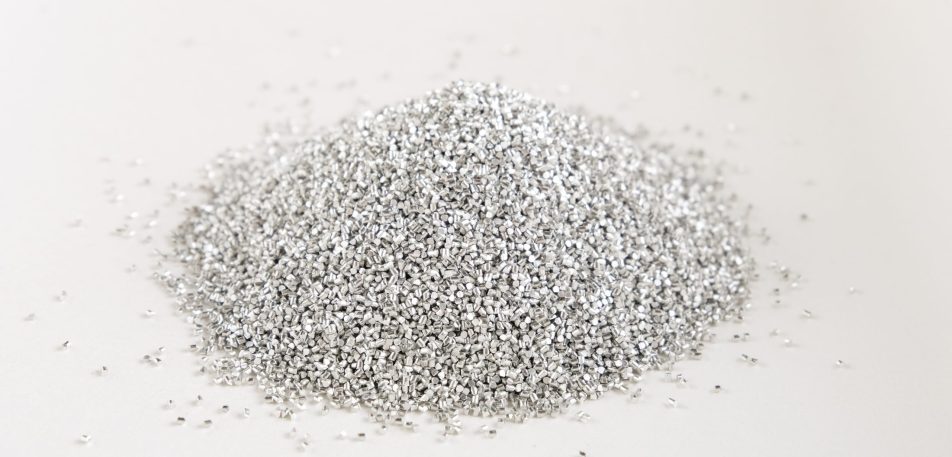
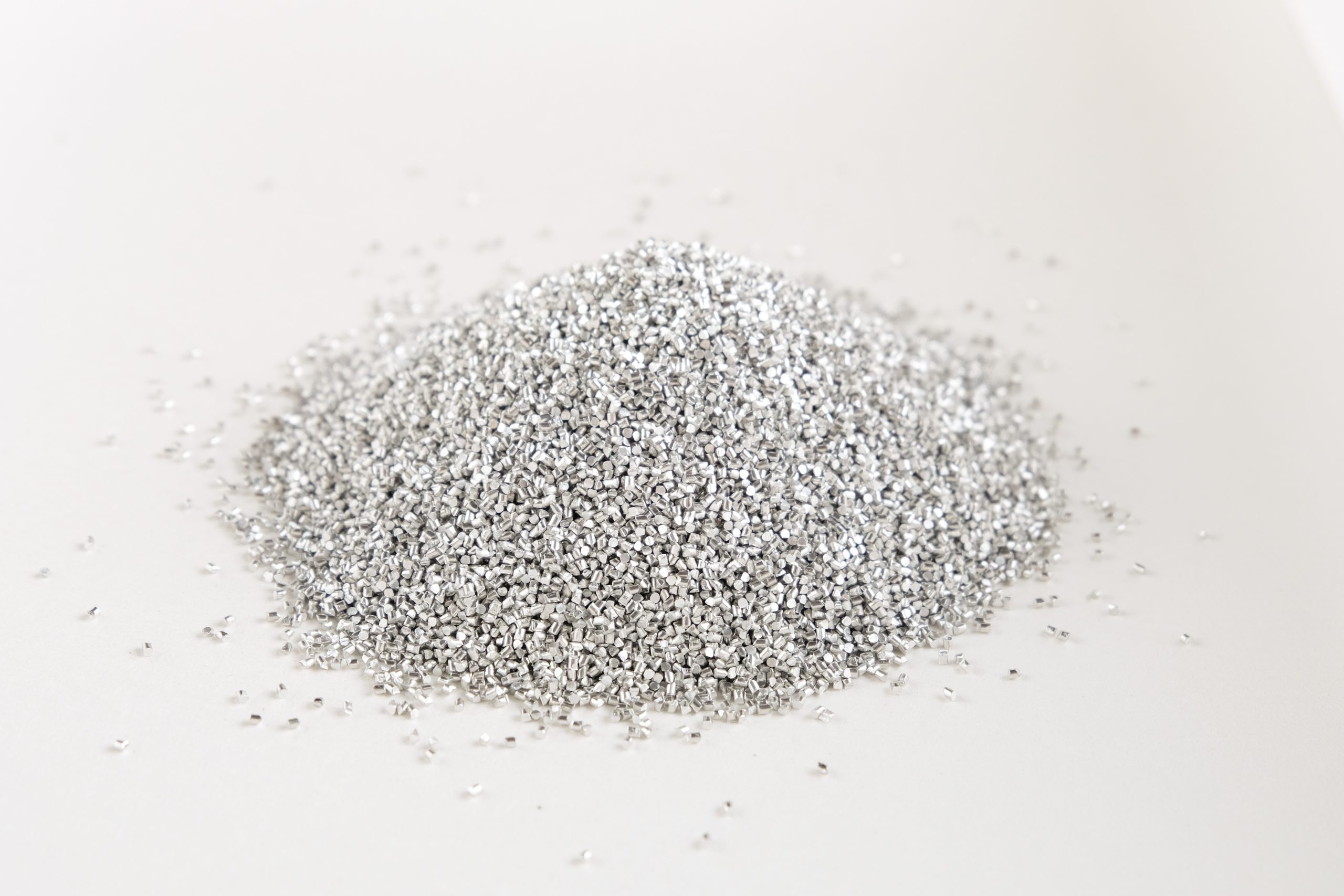
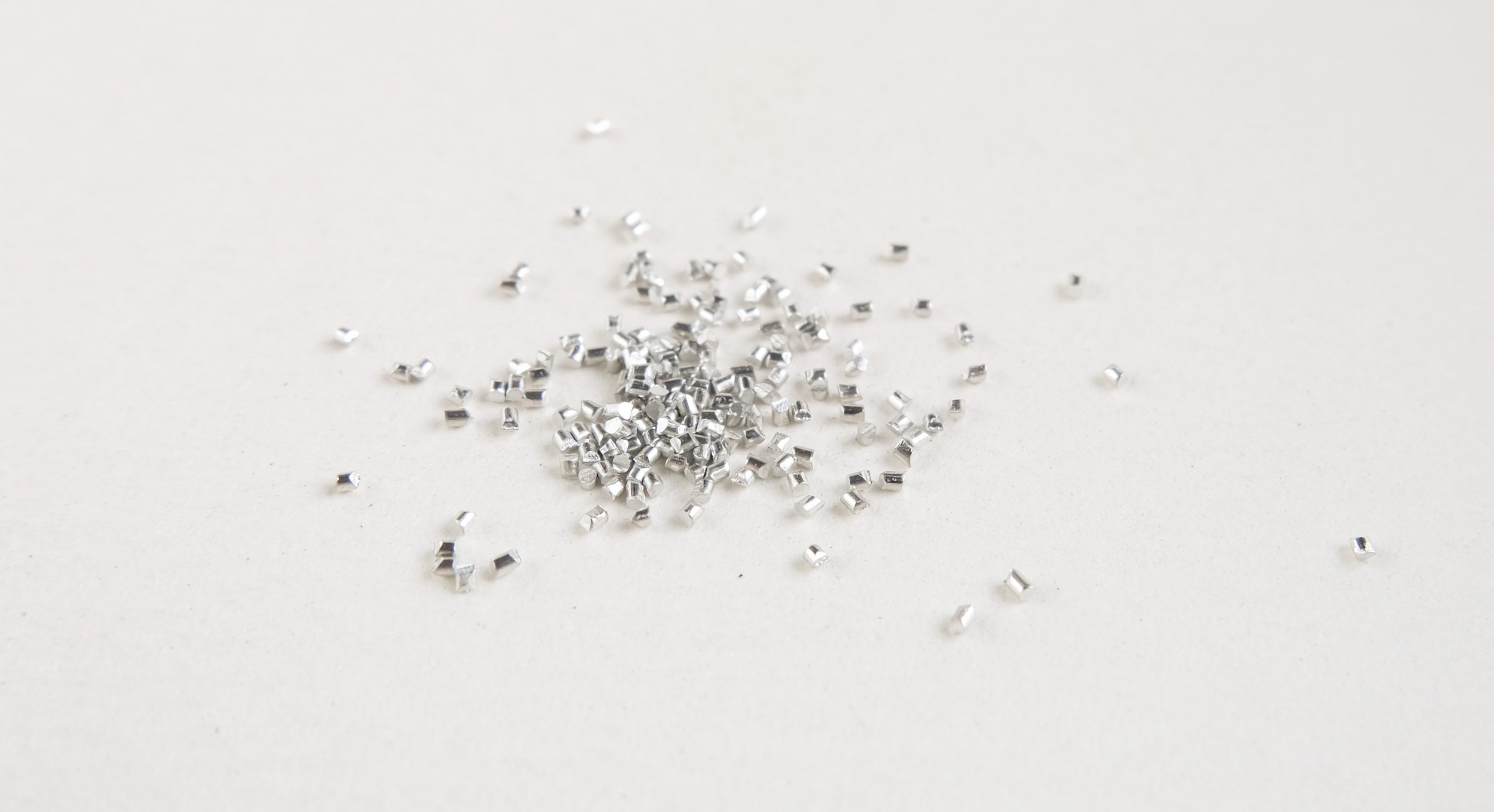
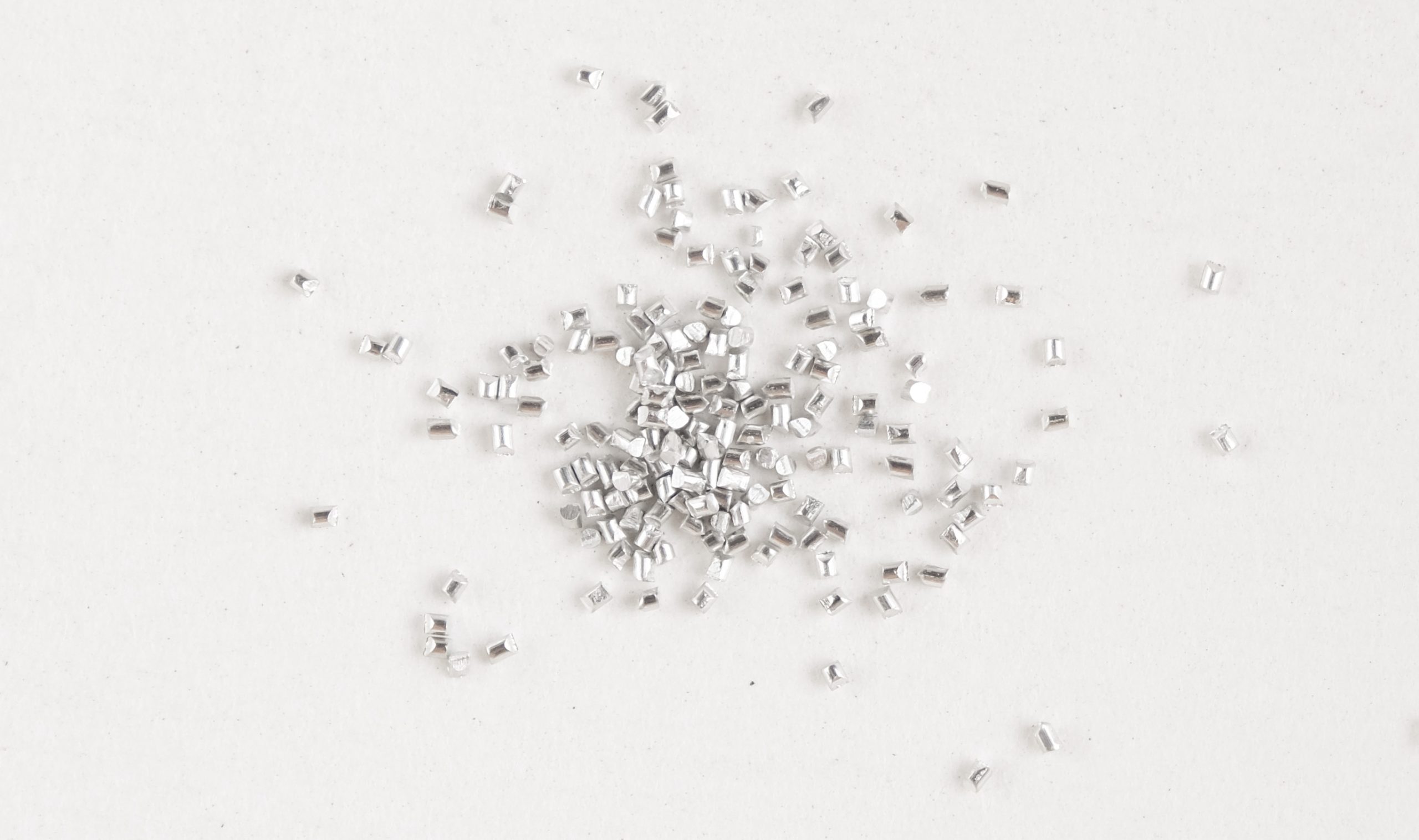
According to professional definitions from the global metal processing and wire & cable industry (cited from Google-related technical documents), Aluminum Cut Wire refers to high-quality aluminum wire that has been straightened and cut into fixed lengths according to customer requirements, which is mainly processed from pure aluminum or aluminum alloy ingots. It is mainly divided into two categories: pure aluminum cut wire and alloy aluminum cut wire (such as aluminum-silicon alloy, aluminum-magnesium alloy, high-conductivity aluminum alloy with rare earth elements added) . The core specification range covers a diameter of 0.01mm-10mm and a length of 5cm-100cm, and can be customized into special specifications (such as ultra-fine diameter ≤0.1mm for semiconductor bonding) according to specific project needs. Different from traditional aluminum wire products, Aluminum Cut Wire has the characteristics of precise length control (tolerance ≤±0.5mm), flat cut surface, no burrs and uniform dimensional tolerance, which can directly meet the assembly and processing needs of downstream industries, reducing the secondary processing costs of enterprises.
To integrate the entire building lifecycle into a seamless platform to redefine how the world builds. Vel altera malorum ei. Eam at erat dicat vocent, vel et magna vitae principes, et sea dicit eripuit. Vincent
2. Core Characteristics & Technical Parameter Advantages
The core competitiveness of Aluminum Cut Wire lies in its excellent comprehensive performance derived from aluminum material and refined processing. Based on industrial test data (synthesized from Google industry reports), its key characteristics and technical parameters are as follows: First, lightweight advantage—with a density of only 2.7g/cm³, which is 35% of copper, it can significantly reduce the weight of finished products, especially suitable for weight-sensitive fields such as aerospace and new energy vehicles. Second, excellent electrical conductivity—pure aluminum cut wire has a conductivity of ≥61% IACS, and high-conductivity aluminum alloy cut wire added with rare earth elements can reach more than 63% IACS, which can meet the needs of most power transmission scenarios. Third, diversified mechanical properties—pure aluminum cut wire has good ductility (elongation rate >25%), aluminum-magnesium alloy cut wire has excellent fatigue resistance (elongation rate up to 10% or more), and high-strength aluminum alloy cut wire can meet the requirements of high-tension application scenarios. Fourth, good corrosion resistance—aluminum surface can form a dense oxide film, which can resist the erosion of most atmospheric environments, and the corrosion resistance can be further enhanced after surface oxidation or plating treatment. Fifth, cost advantage—compared with copper wire, the raw material cost of aluminum wire is lower, which can reduce the comprehensive cost of downstream enterprises by 30%-50%.
3. Advanced Manufacturing Process & Raw Material Advantages
The stable performance of Aluminum Cut Wire is fundamentally guaranteed by its advanced manufacturing process and high-quality raw materials. As W. Edwards Deming, the American quality management guru, put it, “Quality comes not from inspection, but from improvement of the production process”. This philosophy is fully implemented in our production. We select high-purity electrolytic aluminum (Al content ≥99.8%) as raw materials, which are sourced from well-known aluminum mills adopting world-leading Bayer process and “double flash” smelting technology, ensuring stable chemical composition and low impurity content (hydrogen content less than industry standard value). The manufacturing process integrates five core links: first, precision wire drawing—using multi-pass drawing technology (equipped with double-head wire drawing machine) to reduce the aluminum rod diameter to the target specification, with intermediate annealing treatment to adjust hardness; second, surface treatment—removing oxide layers through pickling and polishing, and optional oxidation, tin plating or silver plating to enhance performance; third, precision cutting—adopting laser cutting or high-speed shear cutting technology to ensure flat cut surface and no burrs; fourth, online quality monitoring—applying MAS intelligent management system to comprehensively monitor the production process, realizing full-process quality traceability; fifth, sorting and packaging—removing unqualified products through mechanical screening, and adopting moisture-proof packaging to avoid oxidation during transportation. This refined process system ensures consistent quality of each batch of products.
4. Compliance with Global Quality Standards & Certifications
To adapt to the high-end requirements of global markets, our Aluminum Cut Wire fully complies with major international and industry standards retrieved from Google professional standard databases. For power transmission and wire & cable fields, it meets IEC international standards and Chinese industrial standards; for semiconductor bonding fields, it complies with relevant technical requirements of power semiconductor packaging. We have obtained ISO 9001 quality management system certification, and the products exported to European and American markets have passed UL, CSA, GS and other certifications, while the domestic market products have obtained CQC voluntary certification. Kaoru Ishikawa, the Japanese quality management expert, emphasized, “Quality management is the work of all employees and all departments. If all employees and all departments work together, they will surely succeed”. In line with this concept, a full-process quality inspection mechanism is implemented, covering chemical composition analysis, electrical conductivity testing, dimensional measurement, tensile strength testing and fatigue resistance testing, with traceable test reports provided to customers to ensure product reliability.
5. Diversified Application Scenarios Across Industries
Global industry data (synthesized from Google industry reports) shows that Aluminum Cut Wire has a wide range of applications in multiple high-value industries. First, in the power transmission industry—it is used for smart grid construction, substation construction, urban network capacity expansion and transformation, and large-span line laying (such as steel-cored aluminum stranded wire cut segments), relying on lightweight and cost advantages to reduce construction and operation costs. Second, in the electronic manufacturing industry—it is used for semiconductor aluminum wire bonding (including fine aluminum wire for low-power integrated circuits and coarse aluminum wire for power semiconductors), with diameter ranging from 0.01mm to 0.5mm, which can realize reliable electrical connection between chips and external circuits. Third, in the new energy vehicle industry—it is applied to the electrical connection of new energy vehicle motor systems and battery modules, reducing the weight of the vehicle body and improving energy efficiency. Fourth, in the construction industry—it is used for building decoration (aluminum wire art, curtain wall accessories) and building electrical wiring, with good corrosion resistance to adapt to different environmental conditions. Fifth, in the aerospace industry—it is used for lightweight electrical components and structural accessories of aircraft, balancing weight and performance requirements. In addition, it is also used in industrial frequency converters, photovoltaic inverters, rail transit traction converters and other fields.
6. Global Market Adaptation & Full-Chain Service Support
Based on the characteristics of major global markets summarized from Google global trade data, we have formulated targeted adaptation strategies. Globally, China is a major producer and exporter of aluminum wire products. In 2024, the total export volume of aluminum wire from January to June reached 10.1 million tons, a year-on-year increase of 6%. The main export markets include Southeast Asia, North America and Europe. For the European and American markets with strict environmental and precision requirements, we provide high-conductivity and high-strength aluminum alloy cut wire, and comply with EU environmental regulations. For the Southeast Asian market driven by infrastructure construction, we offer cost-effective standard pure aluminum cut wire and leverage RCEP policy dividends to optimize logistics and delivery cycles. For the Chinese market with a large demand for smart grid construction, we cooperate with local power equipment enterprises to provide customized products. Meanwhile, we provide full-chain services: pre-sales technical consultation (matching product types and specifications according to application scenarios), in-sales capacity guarantee (with annual production capacity of 130,000 tons of various aluminum wire products), and after-sales quick response (solving use problems within 24 hours), helping customers improve processing efficiency and reduce comprehensive costs.