
 Post by
 As a high-performance corrosion-resistant abrasive, Stainless Steel Shot plays an irreplaceable role in global high-end manufacturing and surface treatment fields. Driven by the upgrading of industrial quality requirements and the expansion of high-value application scenarios such as new energy vehicles, medical devices, and food processing, the demand for Stainless Steel Shot with excellent corrosion resistance, stable performance, and environmental friendliness is growing rapidly.
steel industry research and technical documents (sourced from Google), this document systematically elaborates on Stainless Steel Shot from six core dimensions, including product overview, core characteristics & technical parameters, manufacturing process advantages, quality standards & certifications, diversified application scenarios, and global market adaptation strategies, to fully present its core value in the high-end industrial chain.
1. Product Overview: Stainless Steel Shot
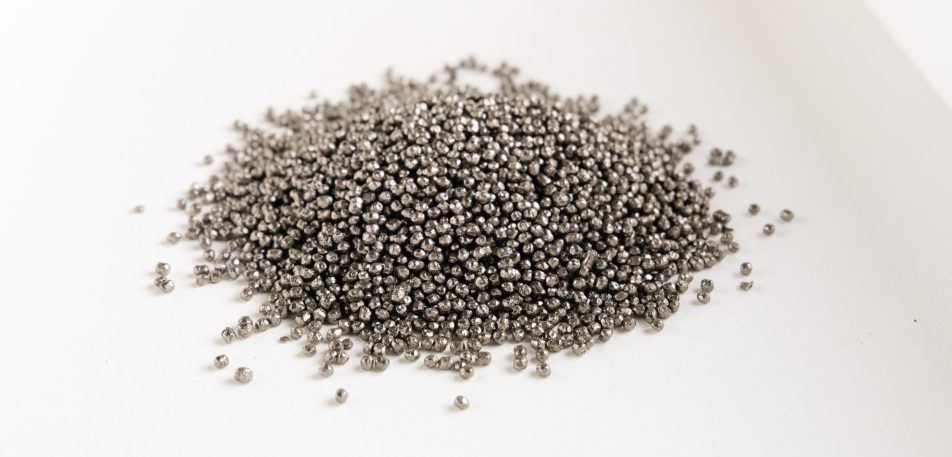
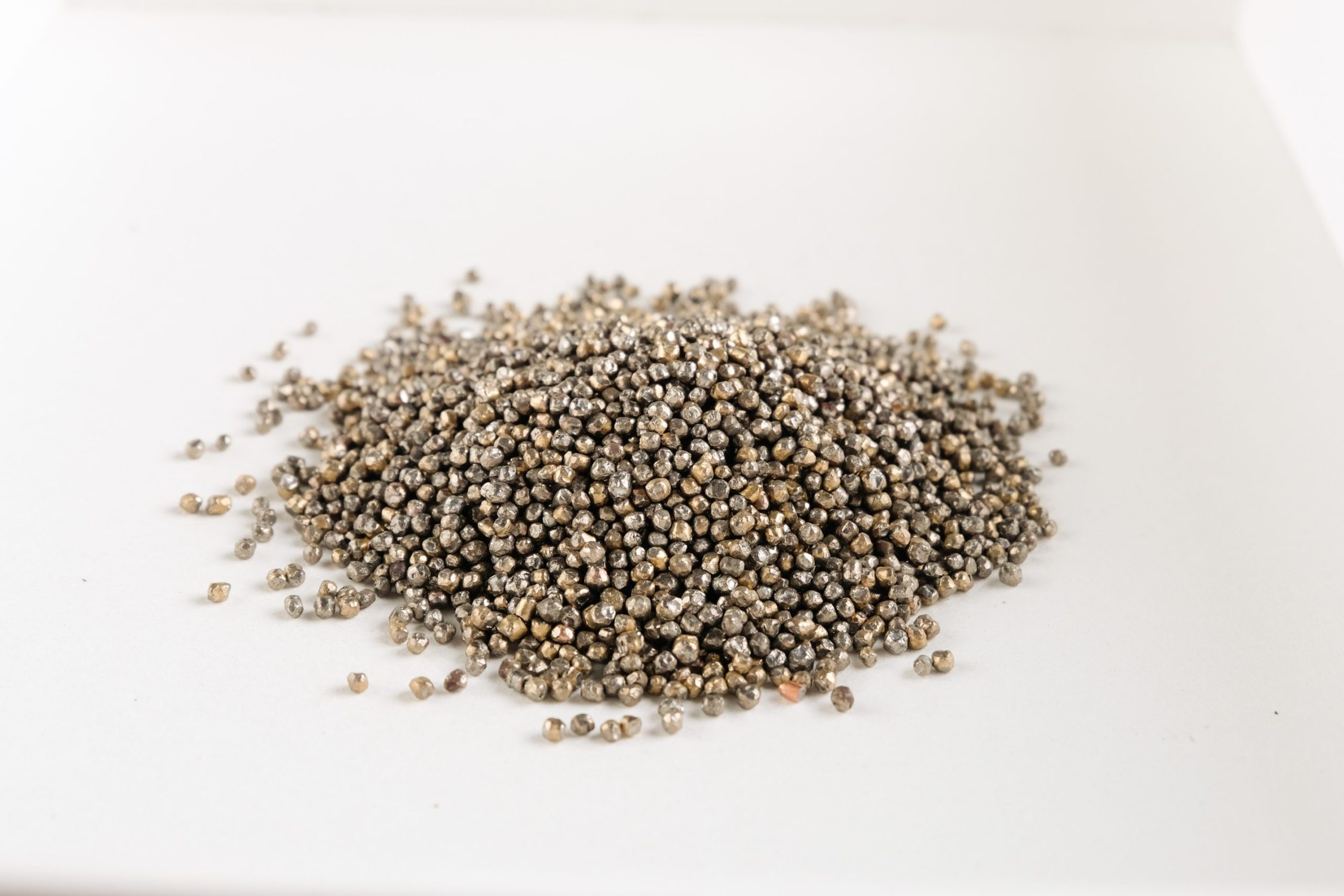
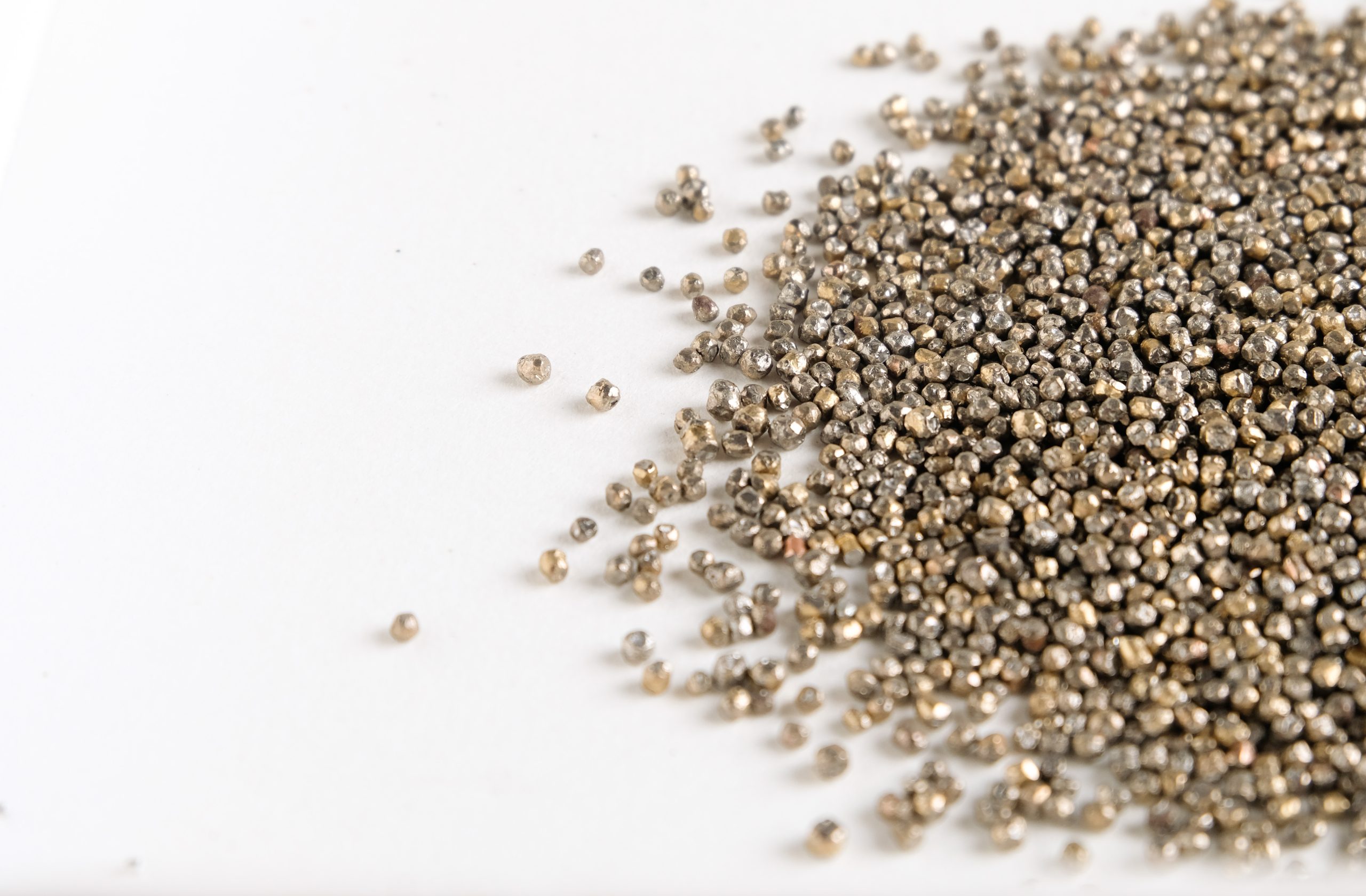
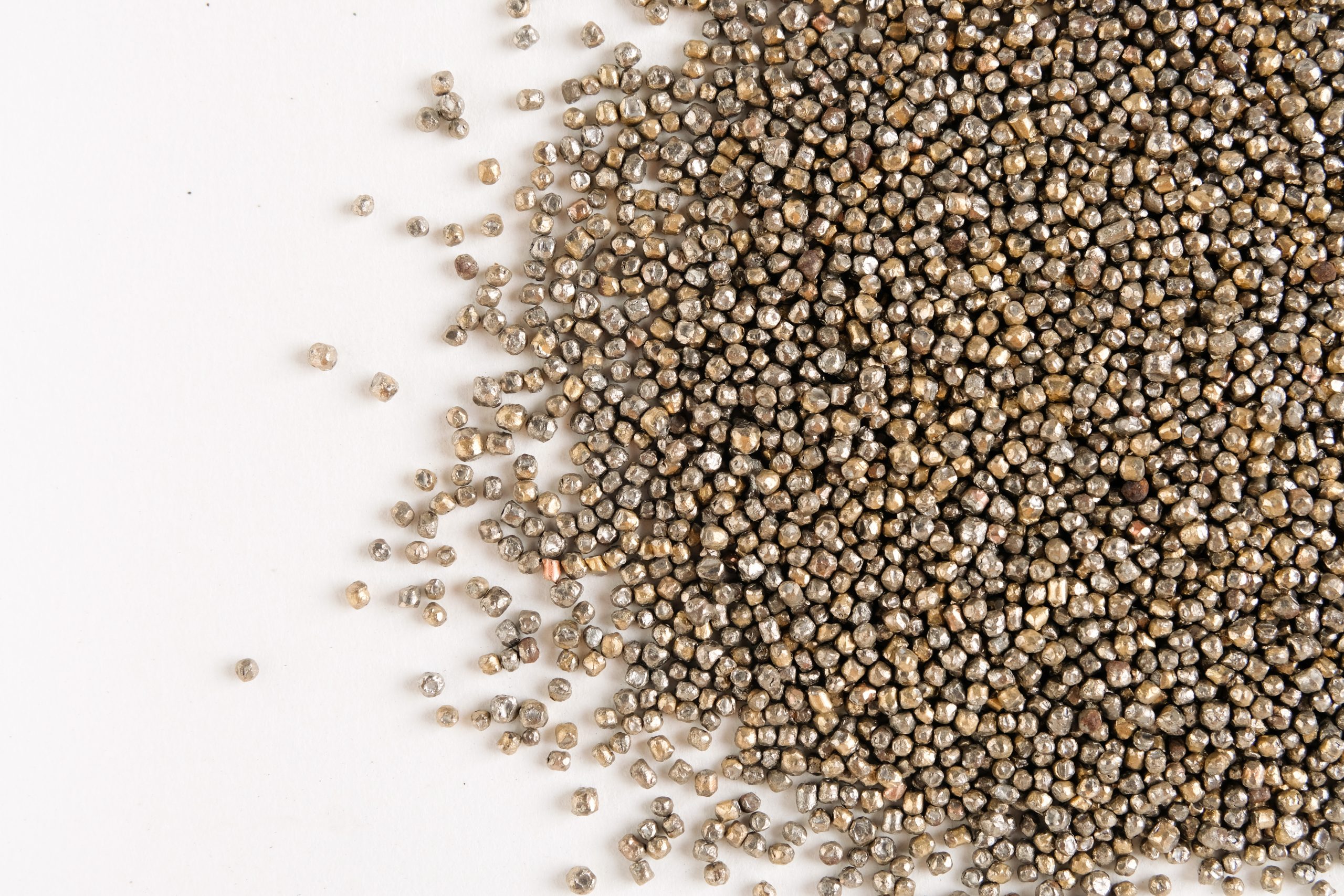
According to professional definitions from the global abrasive and stainless steel industry (cited from Google-related technical documents), Stainless Steel Shot is a specialized granular abrasive made of high-purity stainless steel through precision forming, heat treatment, and multi-stage screening processes. It is distinguished from traditional carbon steel shot by its unique stainless steel material composition, mainly including austenitic stainless steel (such as 304, 316L) and martensitic stainless steel (such as 420, 440C). Its core particle size range covers 0.2mm-2.5mm, which can be divided into three categories according to application needs: small particle size (0.2-0.5mm) for precision workpiece treatment, medium particle size (0.6-1.2mm) for general industrial use, and large particle size (1.4-2.5mm) for heavy-duty workpiece cleaning. The product features uniform particle shape, smooth surface, and no impurities, and can be customized in terms of material and particle size according to customer-specific requirements.
To integrate the entire building lifecycle into a seamless platform to redefine how the world builds. Vel altera malorum ei. Eam at erat dicat vocent, vel et magna vitae principes, et sea dicit eripuit. Vincent
2. Core Characteristics & Technical Parameter Advantages
The core competitiveness of Stainless Steel Shot lies in its excellent performance derived from stainless steel materials. Based on industrial test data (synthesized from Google industry reports), its key characteristics and technical parameters are as follows: First, superior corrosion resistance—304 food-grade stainless steel shot can resist the erosion of most organic acids and inorganic salts, while 316L medical-grade stainless steel shot, due to the addition of molybdenum elements, has stronger resistance to pitting and crevice corrosion, and can pass a 1000-hour neutral salt spray test. Second, controllable hardness—304 material products have a hardness of HBW 160-190, suitable for surface finishing; 440C martensitic stainless steel shot can reach a hardness of HRC 58 or above after heat treatment, meeting the needs of wear-resistant and strengthening scenarios. Third, no magnetic interference— Austenitic stainless steel shot after solution treatment is non-magnetic, which is particularly suitable for surface treatment of precision electronic components and medical devices. Fourth, high material density (7.8g/cm³), ensuring sufficient impact force during the shot blasting process while reducing breakage rate (≤2% after 1000 cycles of use).
3. Advanced Manufacturing Process & Raw Material Advantages
The stable performance of Stainless Steel Shot is fundamentally guaranteed by its advanced manufacturing process and high-quality raw materials. As W. Edwards Deming, the American quality management guru, put it, “Quality comes not from inspection, but from improvement of the production process” This philosophy is fully implemented in our production. We select high-purity stainless steel raw materials from well-known steel mills, ensuring that the chemical composition meets international standards—for example, 304 stainless steel contains 18-20% chromium and 8-12% nickel, and 316L stainless steel adds 2-3% molybdenum. The manufacturing process integrates four core links: first, cold heading/hot heading forming to ensure the sphericity and density of the shot; second, multi-stage precision grinding and lapping to eliminate surface defects and improve surface finish; third, targeted heat treatment—martensitic stainless steel undergoes quenching and tempering to enhance hardness, while austenitic stainless steel undergoes solution treatment to achieve non-magnetic properties; fourth, thorough cleaning and rust prevention treatment, followed by multi-stage ultrasonic screening to accurately control particle size distribution. This refined process system ensures consistent quality of each batch of products.
4. Compliance with Global Quality Standards & Certifications
To adapt to the high-end requirements of global markets, our Stainless Steel Shot fully complies with major international and industry standards retrieved from Google professional standard databases. It is produced in accordance with American SAE standards and Japanese JIS standards, and meets the general requirements of the ISO 9001 quality management system. For special application fields: food-grade products comply with food contact material safety standards, and medical-grade 316L products meet the biocompatibility requirements of medical device manufacturing. Kaoru Ishikawa, the Japanese quality management expert, emphasized, “Quality management is the work of all employees and all departments. If all employees and all departments work together, they will surely succeed”. In line with this concept, we have obtained CE certification for European market access and relevant quality certifications for the Asian market. A full-process quality inspection mechanism is implemented, covering chemical composition analysis, hardness testing, salt spray corrosion testing, and particle size detection, with traceable test reports provided to customers to ensure product reliability.
5. Diversified Application Scenarios Across High-End Industries
Global industry data (synthesized from Google industry reports) shows that Stainless Steel Shot has a wide range of applications in high-end manufacturing fields. First, in the automotive industry, it is used for surface rust removal, deburring, and strengthening of new energy vehicle battery trays, engine components, and stainless steel exhaust systems, with the growing demand for new energy vehicles driving an 8-9% annual growth in its consumption. Second, in the non-ferrous metal casting field, it is applied to the cleaning of aluminum, stainless steel, and copper castings, effectively removing oxide scales while avoiding secondary corrosion of workpieces. Third, in the medical and food industries, non-magnetic 316L stainless steel shot is used for polishing medical implants (such as artificial hip joints) and food processing equipment (such as stainless steel tanks), ensuring product safety and biocompatibility. Fourth, in the general machinery and hardware field, it is used for surface finishing of pumps, valves, sports equipment, and locks, improving product appearance and service life. In addition, it is also used in the surface treatment of marine equipment and offshore structures, relying on its corrosion resistance to enhance the anti-corrosion performance of components.
6. Global Market Adaptation & Full-Chain Service Support
Based on the characteristics of major global markets summarized from Google global trade data, we have formulated targeted adaptation strategies. For the European market with strict environmental and high-end quality requirements, we provide 316L medical-grade and 304 food-grade Stainless Steel Shot, adopt environmentally friendly packaging, and meet the requirements of EU REACH regulations. For the Southeast Asian market driven by infrastructure construction and manufacturing transfer (such as Indonesia), we offer cost-effective medium-particle size (0.6-1.2mm) products and leverage RCEP policy dividends to optimize logistics and delivery cycles. For the Chinese market, which accounts for over 50% of global stainless steel production, we cooperate with local new energy vehicle and medical device enterprises to provide customized products and on-site technical support. Meanwhile, we provide full-chain services: pre-sales technical consultation (matching materials and particle sizes according to application scenarios), in-sales capacity guarantee (three major production bases with annual capacity of 200,000 tons), and after-sales quick response (solving use problems within 24 hours), helping customers improve processing efficiency and reduce comprehensive costs.